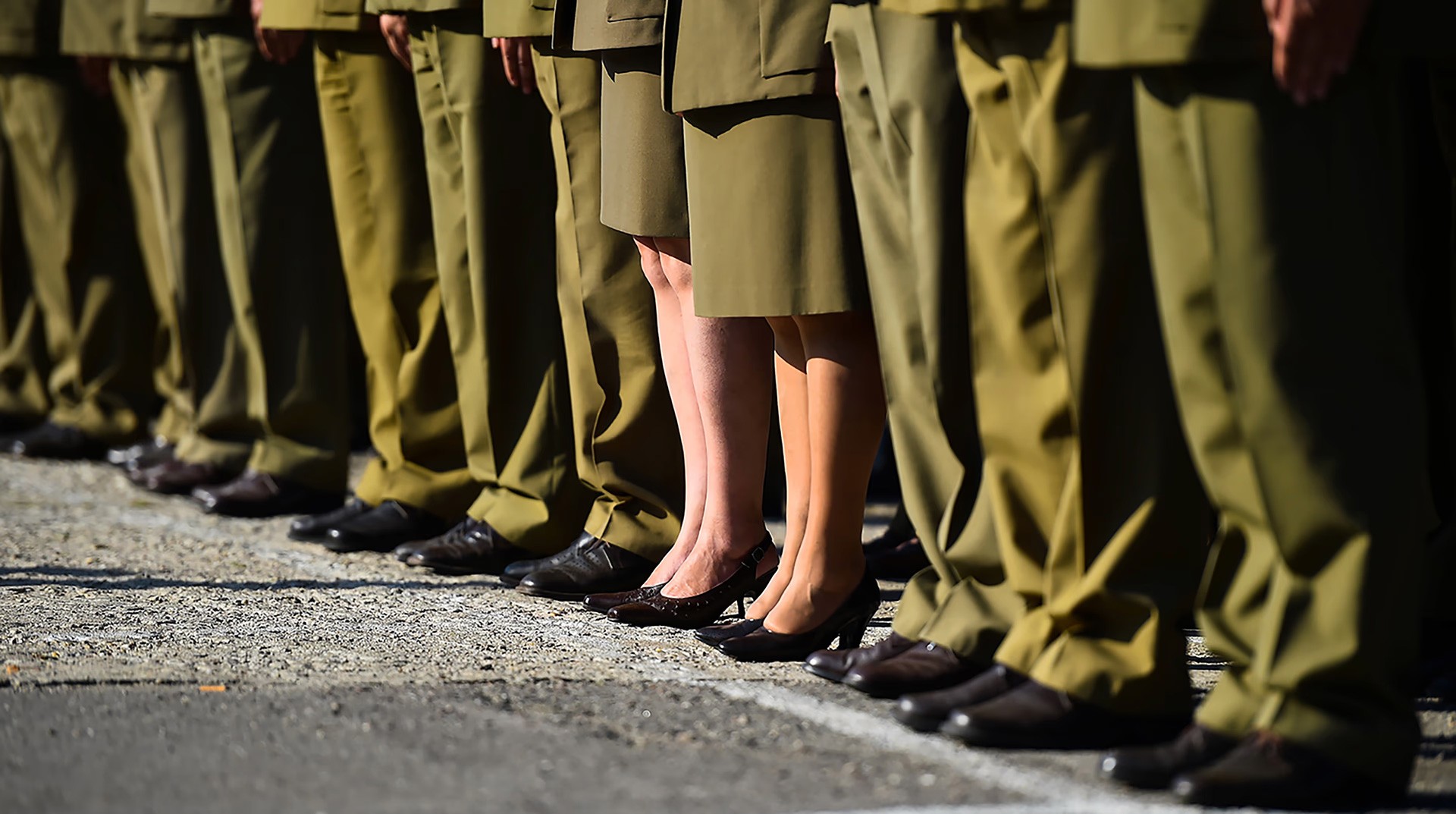

The Armed Forces community is a unique UK population group, with specific health and wellbeing needs based on its demographics, activities, and occupations.
Commissioned project
This project was commissioned by NHS England Armed Forces Commissioning Team
Note: Prof Belinda Colston (Director of the Halsden Centre), in her capacity as Founding Director of the Eleanor Glanville Institute, University of Lincoln, developed and led this project.
Introduction
The community comprises of serving personnel of the UK Armed Forces, both regulars and reservists, veterans, their families, and carers. The population has both generalist and specialist health commissioning needs. People who are ethnic minorities or members of minority faith groups make up approximately 10% of the Armed Forces Community.
Ethnic inequalities in access to, experiences of, and outcomes of healthcare are well documented longstanding problems within the NHS. This project explores whether ethnic minority, commonwealth, and faith groups in the Armed Forces Community believe they have a voice in the shaping, commissioning, and delivery of healthcare services.
Vision & aims
Understanding the needs of ethnic and faith minorities and the creation of equitable and inclusive workplace and services has become a NHSE priority. The NHS commitment to deliver health equality is deemed to not yet have been delivered upon for Black and ethnic minority groups [1].
The UK Armed Forces consists of the Royal Navy, the Royal Marines, the British Army, and the Royal Air Force. On 1 April 2023 the total size of the fulltime UK Armed Forces was just under 152,400 personnel. Over half of personnel were within the Army (56%), with the remainder being equally split between the Royal Navy/Royal Marines and Royal Air Force. The Reserve Forces have a strength of 30,400. The majority of personnel (ca. 96%) are stationed in the UK [2]. Following the last census (2021), the UK Armed Forces veteran population in England and Wales totals just over 1.85 million [3].
In the recent Biannual Diversity Statistics, the Ministry of Defence (MoD) states that individuals from non-white ethnic minority backgrounds represent 9.6% of the UK Regular Forces, with 80.8% of all minority ethnic personnel belonging to the Army and Army reserve [4].
The Armed Forces community, comprising of serving personnel, both regulars and reservists, veterans, and their families and carers, is a unique UK population group, with specific health and wellbeing needs based on its demographics, activities, and occupations. They have both generalist and specialist health commissioning needs.
Focussing on the patient voice of ethnic minority, commonwealth, and faith groups in the Armed Forces Community, this research aimed to better understand their needs and experiences regarding healthcare services and provide recommendations on how to further support the commissioning of inclusive healthcare services if necessary.
The research set out to answer three key questions:
Are there reluctancies and/or differences in accessing healthcare services for different ethnic minority groups? If so, what are the differences, and do they impact health outcomes?
What is the perceived healthcare service needs and expectations of ethnic minorities and are these being met?
Are there barriers that healthcare service commissioners need to overcome to better access ethnic minorities, and if so, how are they best mitigated?
Methodology
Three data collection tools were designed and implemented:
Beneficiary focus groups (pre-programme) to establish the need for a Military Care Navigator.
Beneficiary survey (post-programme) to establish the impact and effectiveness of the Military Care Navigator Model.
Delivery Team interviews to establish the strategy, design and expectations of the Military Care Navigator Model.
Project outputs
The project successfully implemented a range of initiatives and resources, including:
Employment of Military Care Navigator and Military Voice Partnership lead means that there is now a stronger engagement with the military community to listen to families and feedback to military and NHS services to address issues.
Reducing mental health inequalities, creating stronger working partnership between NHS Perinatal mental health services and NHS Armed forces. Ensuring the parents have better access to services to support their emotional well-being throughout the maternity journey.
Providing support for military line managers – raising awareness of NHS services available to support personnel and their family.
Creation of a Buddy Scheme for mothers and fathers to help reduce isolation for families deployed into the County and overseas.
Coordination and communication between military and civilian healthcare providers, guaranteeing a more streamlined and efficient experience for service personnel and their families who need to link into new health services departments whilst under medical care, due to deployment.
Evaluation conclusions in brief
The Military Care Navigator Model was co-produced with beneficiaries and informed by their lived experience. To this end, it has been successfully designed to address the identified challenges and specific barriers associated with the Military maternity journey.
The anticipated benefits of the model have started to emerge:
Military families have the same level of care and support through their maternity journey, no matter when they joined it.
Engagement is facilitated with the Lincolnshire Health system.
Mutual understanding of information across the system − engaging both families and their GPs within the Military bases within the Lincolnshire system
Partners & collaborators

Eleanor Glanville Institute
University of Lincoln

Sue Liburd
Managing Director, Sage Blue
References
Robertson, R., Williams, E., Buck, D. and Breckwoldt, J. (2021). Ethnic health inequalities and the NHS: driving progress in a changing system. The Kings Fund for The NHS Race and Health Observatory.
Kirk-Wade, E and Mansfield, Z. (2023). UK Defence Personnel Statistics. House of Commons Parliament Library. No 7930. https://researchbriefings.files.parliament.uk/documents/CBP-7930/CBP-7930.pdf
UK armed forces veterans, England and Wales Census 2021. Office for National Statistics 2021. https://www.ons.gov.uk/peoplepopulationandcommunity/armedforcescommunity/bulletins/ukarmedforcesveteransenglandandwales/census2021
UK Armed Forces Biannual Diversity Statistics: April 2023. Updated October 2023. https://www.gov.uk/government/statistics/uk-armed-forces-biannual-diversity-statistics-april-2023/uk-armed-forces-biannual-diversity-statistics-april-2023